Respect
From the very start of becoming a leader I could recognize the tool that would lead me to success: respect. I started off as a Patrol Leader in my Boy Scout Troop, in charge of many Scouts that were new to the program. There was a few years of an age difference between us, but despite that I gave them the utmost respect I could as I taught them the ropes of our organization. I saw respect as something that was lacking within leaders of our Troop; many of the older boys held disdain for the younger Scouts, calling them annoying and simply not caring about their achievements. I knew when I was a younger Scout that type of behavior made me feel left out, and I thought I could do my part to break that cycle, and hopefully foster a better and more welcoming environment for new Scouts.
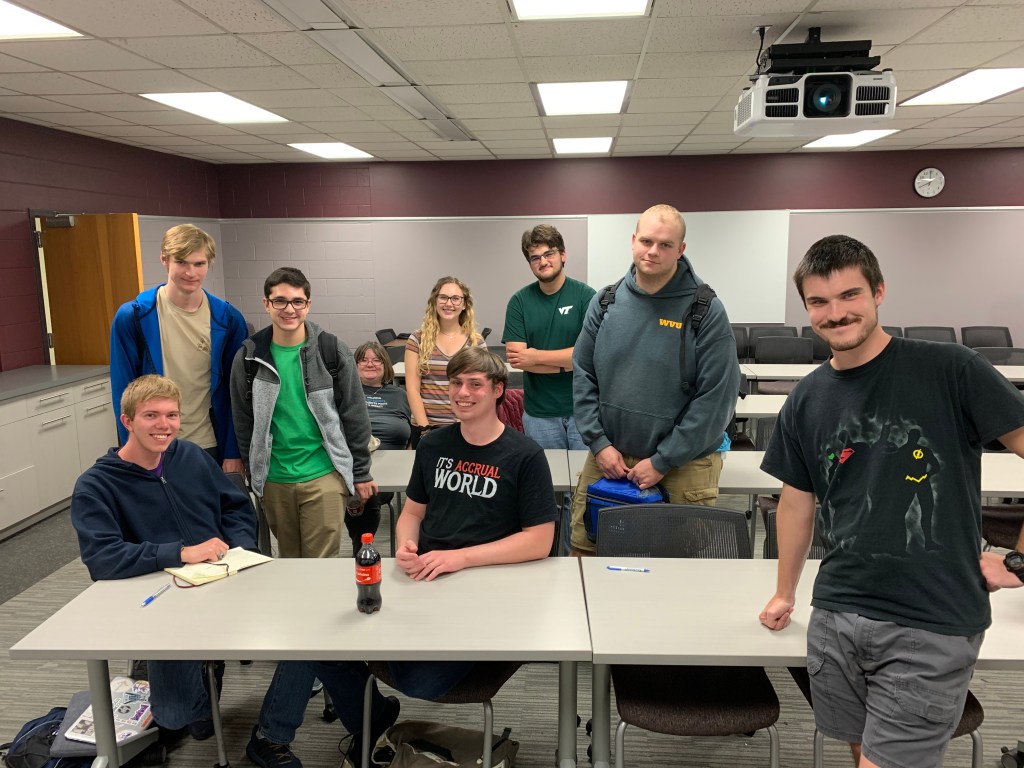
I treated my Patrol almost as equals, and they returned the same respect to me. I feel like with the type of connection we had, I was able to learn just as much from them as they learned from me. It was because of their belief in me as a leader that they elected me to become Senior Patrol Leader later on, and still came to me for guidance as they took on their own leadership positions. As SPL I gave the rest of the Troop the same treatment I gave to my original Patrol, which helped us all work together to foster a better climate for our Troop overall.
Early out of Middle School was when I began working as a volunteer for my local Parks & Rec. At the time I felt fairly unprepared to work with children at the day camp we held, but after observing how some of my coworkers interacted with the children I quickly realized how I could be an effective leader in the program. I was more personable with the kids than the other counselors. I would be happy to listen to their stories, play games with them, and in general treat them as a friend would. Giving them that respect made them more open to listening to me when it mattered, like moving between activities throughout the day. I was not too stern ever working at any of those day camps; I never had to be. The children were naturally more receptive to what I had to say because I had made a better connection with them than my coworkers had.
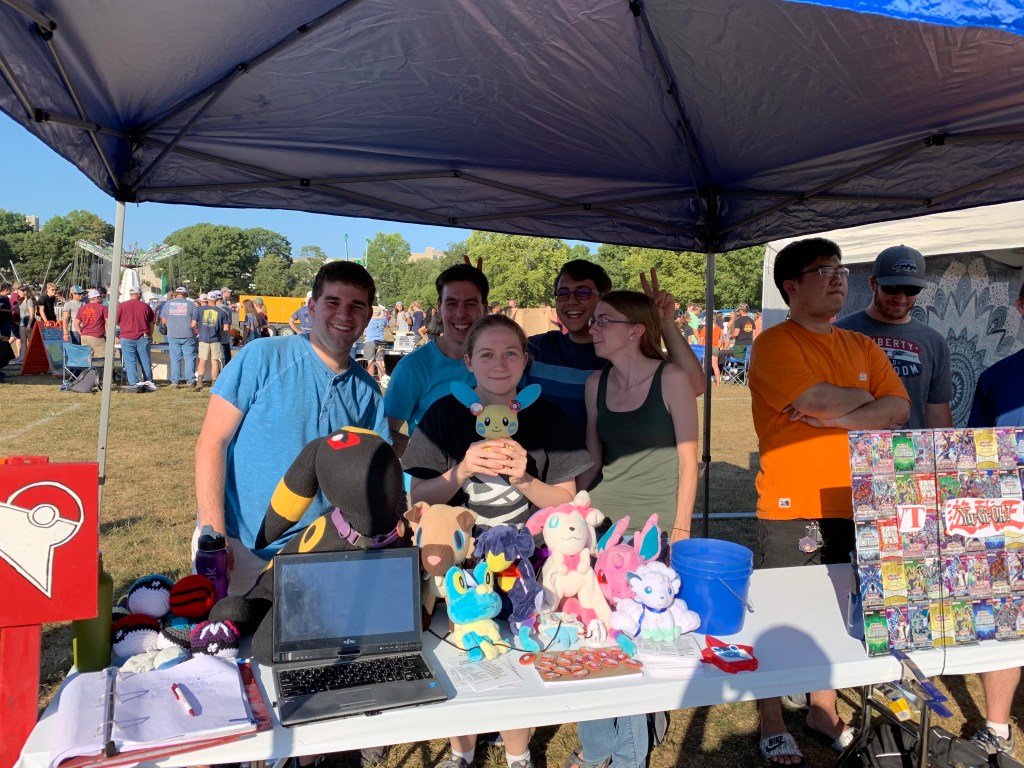
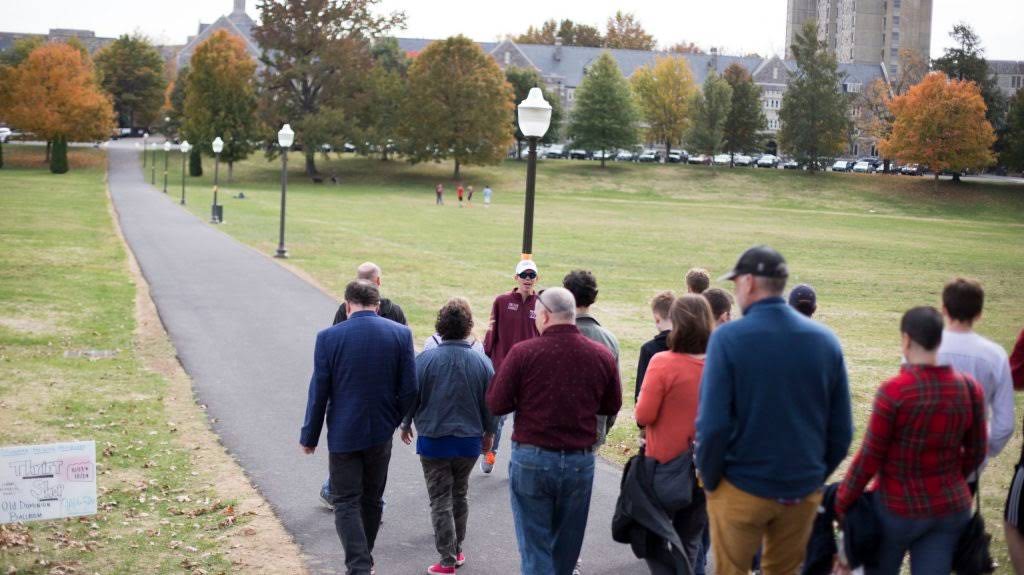
As I have moved into leadership positions at Virginia Tech, I have continued following my belief of embracing respect with my followers. I think until this year, though, my respect has not been quite as standout as it had been in the past, just because I would usually be the same age or younger than those around me at the Campus Scouts and PokéTech. After all, of course I would treat everyone the same as I would treat my peers in these organizations, as they are my peers age-wise. Still, I believe people still respond well to me as a leader because I take care to involve everyone in decision making and make my leading more of a collaborative process.
Now as a Senior and President of both clubs, I think it is easier to see how meaningful my kindness is to Freshmen joining the clubs. While I was not ridiculed as a Freshman like I was as a new Scout in Boy Scouts, there still felt like a divide between Seniors and Freshman when I first joined both PokéTech and Campus Scouts. I have tried to stop that division by reaching out to new members, making sure they are comfortable with their experience with the club, taking in their opinions on what the club could do better, and messaging them via email to see if they are doing okay after being absent from a few meetings. I think doing all of this created a better sense of respect between other members and myself, and helped to create a positive and welcoming environment for everyone involved, another key belief I maintain a leader should strive for.
All of this recollection is to show how my belief in respect and my strength as an includer have guided me as a leader in key roles throughout my life. These strengths of mine have allowed me to build trust with my followers so that they can support me and grow from my support of them. By creating this type of relationship, I hope to work with my followers to develop the organizations and achieve our goals. While I have followed these methods for a long time now, it was thanks to my formal leadership education that finally gave me evidence that these methods were effective.
I had learned about the many leadership theories from Northouse’s writings. I enjoyed learning the ins and outs of each theory, especially as I realized which theories supported my own beliefs. With my tendency to create stronger relationships with my followers, I particularly gravitated towards the ideals of path-goal theory, transformational leadership, and transforming leadership defined by Northouse. Each of these ideas relate by focusing on how the leader can help their followers grow, but with a few key differences.
With path-goal theory, a leader would change how they interact with a follower in order to aid them in achieving their goals. Even within an organization, people will respond differently to achieving certain goals. It would then be up to the leader to determine which is the best way to motivate others so that they may succeed. While I believe adaptation, especially as a leader, is important, I must admit I worry about appearing disingenuous to others. It may be more difficult to appear this way than I think, though I still worry only to keep myself honest in my work.
Transformational leadership also carries an aspect of adapting to suit subordinates’ needs, while generally inspiring them to do their best. I think this theory leaves more room for a leader to have a more ubiquitous method of leading that others can be attracted to, though with the aspect of how high the regard for these leaders are it is even more essential for a leader to stay true to themselves at the end of the day.
Transforming leadership, on the other hand, simply asks a leader and follower to work with and grow from each other. As I have mentioned before, I have grown from many of my followers in the past. I think with this idea of growth from both parties comes a basic definition of what a community is, which has been something I always work to cultivate as a leader within my different organizations. Going beyond that, I hope to create a community where everyone is welcome and everyone can achieve their own goals by working together is even better.
I think all of this best summarizes what I believe as a leader. At the same time, and in the spirit of growth, I am always keeping my mind open to other suggestions regarding how I can be a better leader. As I keep up my work, I intend to find areas of improvement for me to learn from or different ways to go about my duties. Only time will tell if this leads to a drastic change within me, but for now, I am content as I am! Thank you for reading!
References:
Northouse, P. G. (2016). Leadership: Theory and Practice (7th ed.). Thousand Oaks: SAGE.
 Joe Downey's Leadership Blog